About Lake Manyara National Park
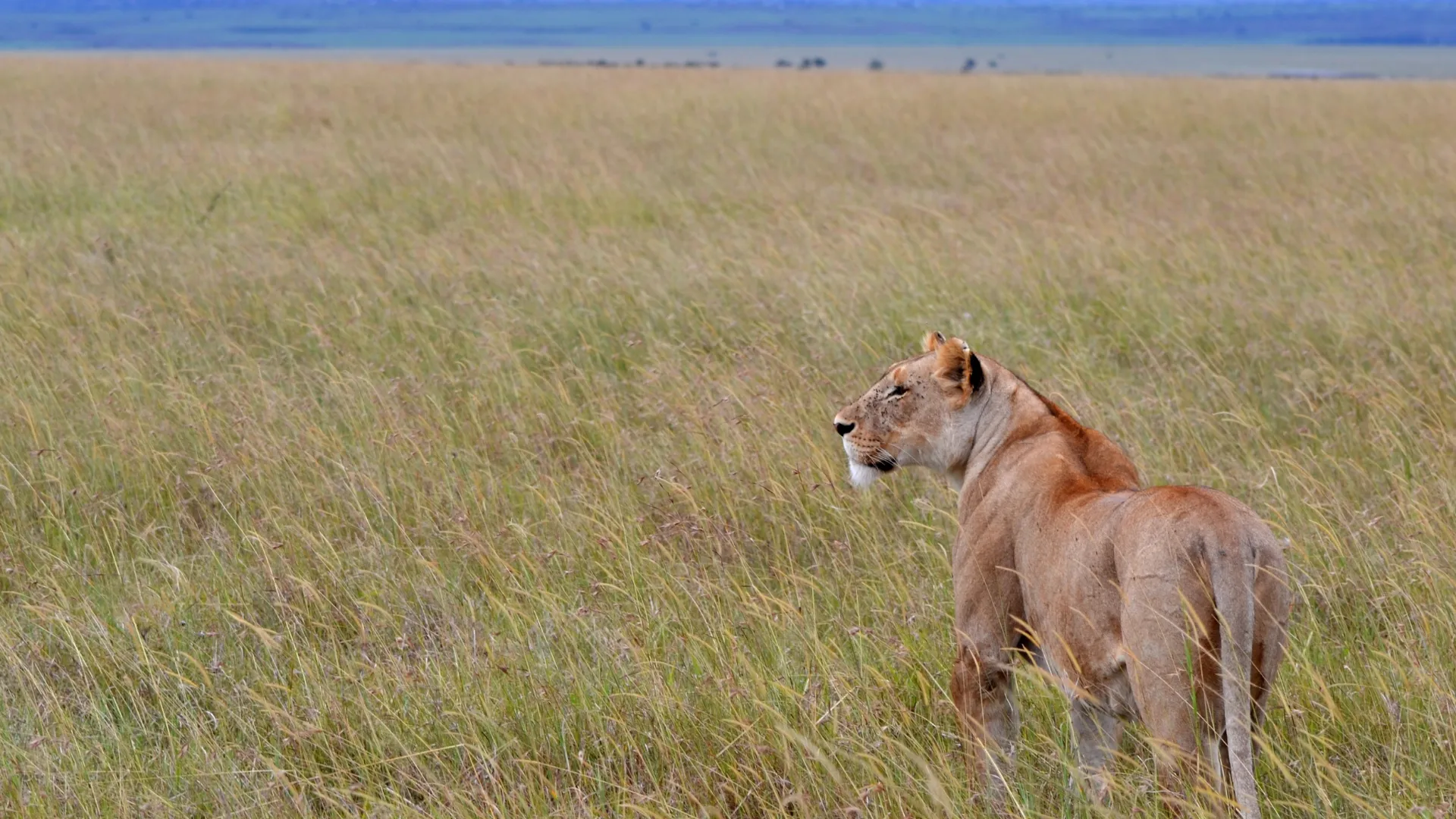
Lake Manyara is compact -- just 330 square kilometers -- but packs in an unusual range of habitats for its size, from dense groundwater forest at the park entrance to open grassland along the lakeshore and the base of the Great Rift Valley escarpment rising sharply behind it. The park is famous for its tree-climbing lions, a local quirk of behavior not fully explained by biologists, though sightings are never guaranteed.
What You Will See
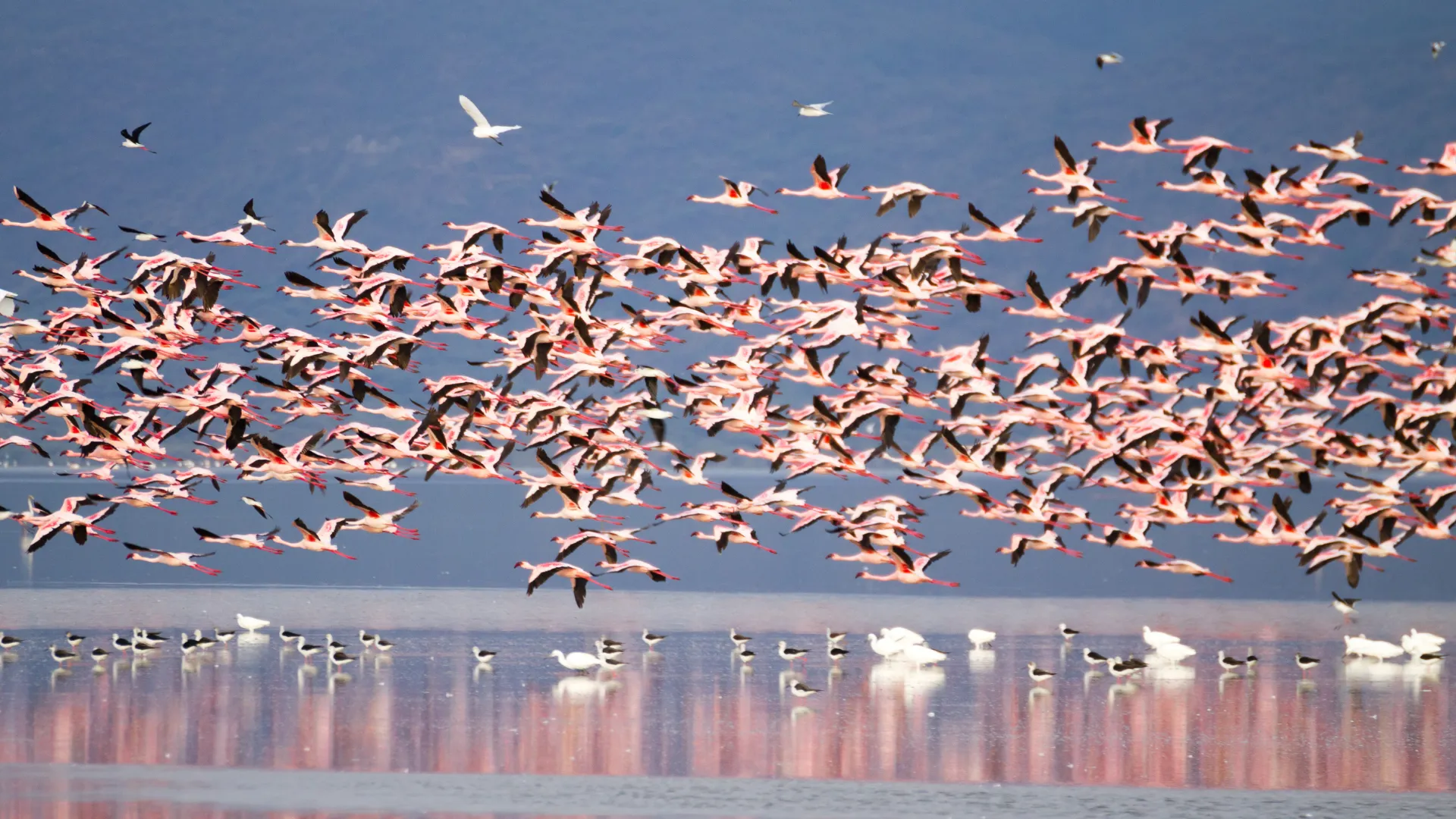
The groundwater forest near the entrance gate is alive with blue monkeys, baboons, and hornbills before the road opens onto the lake itself, where thousands of flamingos gather to feed on algae when water levels are right. Hippo pools, elephant herds, and a strong population of giraffe round out the park's wildlife, and the birdlife -- over 400 species -- is among the richest per square kilometer in Tanzania.
Best Time to Visit
Manyara can be visited year-round and works well as a half-day or full-day stop. The dry season offers the best game viewing as animals concentrate near the lake, while the wet season brings spectacular numbers of migratory flamingos when conditions are right.
Getting to Lake Manyara National Park
Manyara sits about two hours from Arusha, right at the base of the Rift Valley wall, making it an easy and scenic addition at the start of a Northern Circuit itinerary heading toward Ngorongoro and the Serengeti.
Good to Know
Manyara is often visited as a single stop on the drive between Arusha and Ngorongoro, though an overnight stay allows time for both an afternoon game drive and an early morning outing, when animal activity near the lakeshore and groundwater forest tends to be at its liveliest.
Manyara sits directly on the route between Arusha and Ngorongoro, making it easy to include without adding extra driving time. Many travelers pair a game drive here with a canoe outing on the lake during high water, offering a different vantage point on the park's hippos and birdlife than a vehicle allows.



 6 Days / 5 Nights
From $3,900