



EXPLORE TANZANIA
Tanzania Mountains
Discover the majestic peaks of East Africa. From the legendary Kilimanjaro to the sacred Ol Doinyo Lengai.
Mount Kilimanjaro
6 routes available
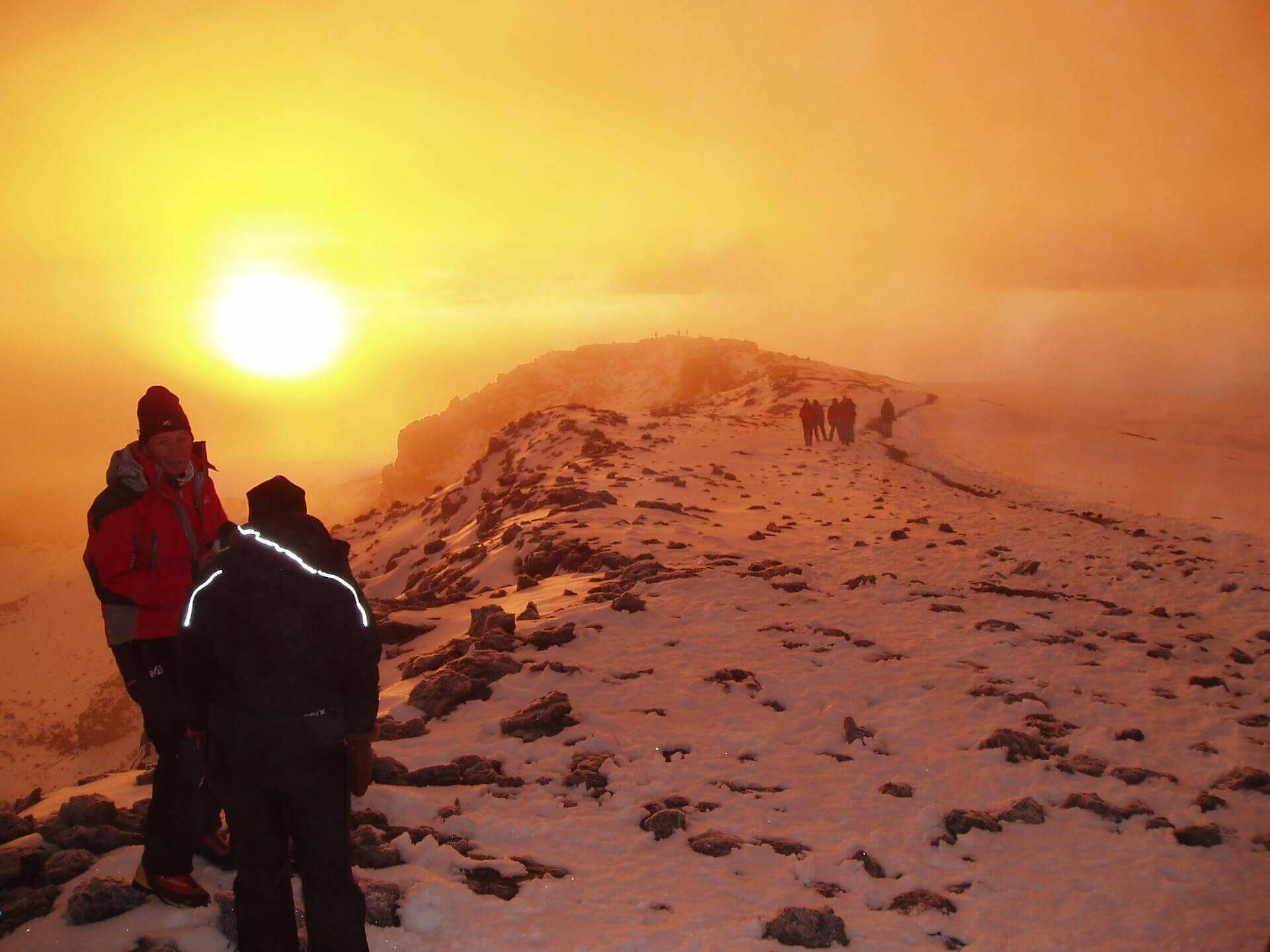
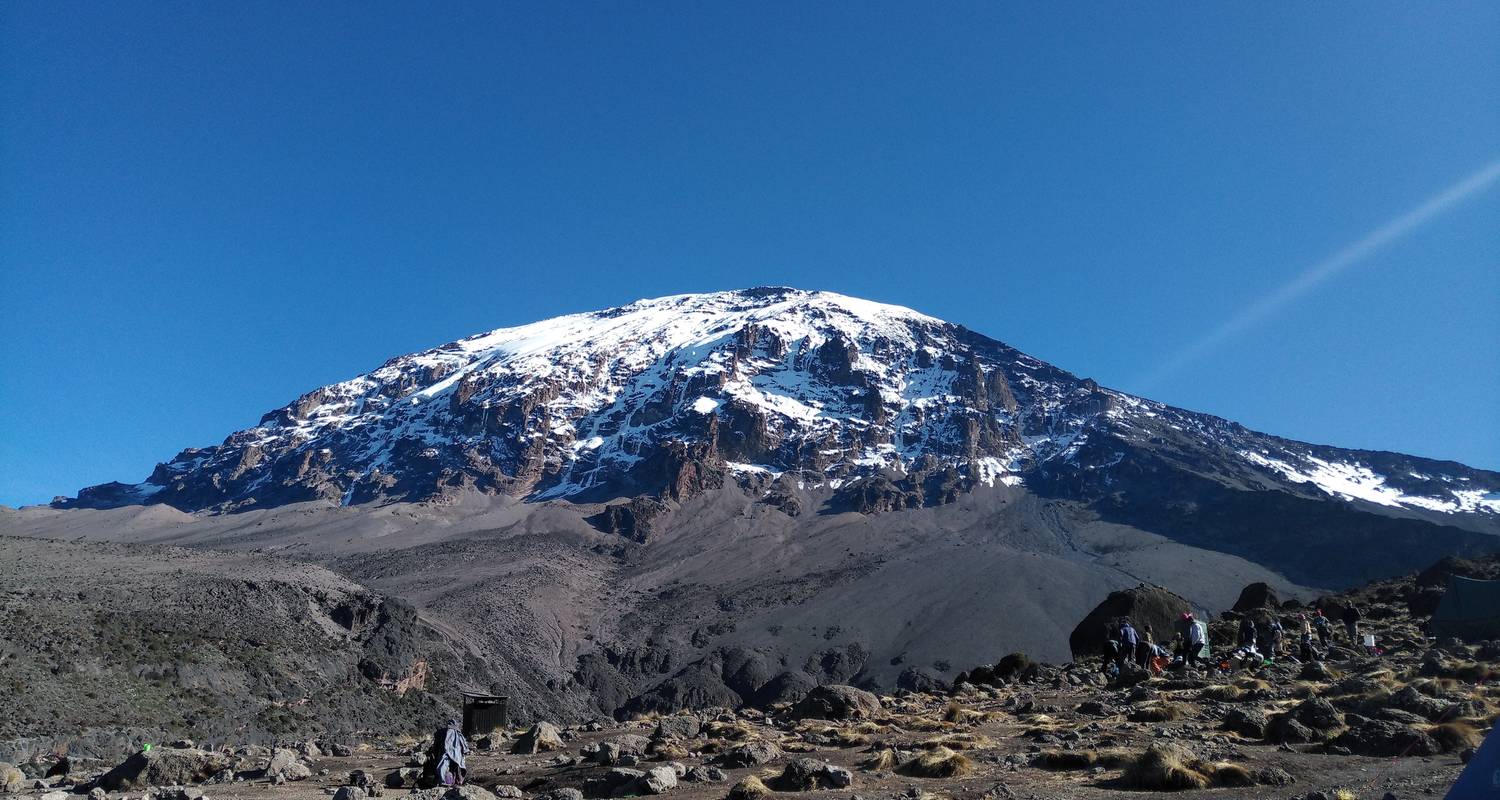
<h2>About Mount Kilimanjaro</h2> <p>Mount Kilimanjaro is Africa's highest peak and the world's tallest free-standing mountain, rising 5,895 meters (19,341 feet) above sea level. Located in northeastern Tanzania near the Kenyan border, Kilimanjaro is a dormant stratovolcano composed of three volcanic cones: Kibo (the highest), Mawenzi, and Shira.</p> <h2>Why Climb Kilimanjaro</h2> <p>Kilimanjaro is one of the most accessible high-altitude summits in the world — no technical climbing experience is required. The mountain offers an extraordinary journey through five distinct climate zones: tropical rainforest, heath and moorland, alpine desert, and arctic summit. Each day brings dramatically different landscapes, from lush jungle teeming with monkeys and exotic birds to barren lunar landscapes and glacial ice fields at the summit.</p> <h2>Trekking Routes</h2> <p>There are seven established routes to the summit, each offering unique experiences:</p> <ul> <li><strong>Machame Route</strong> — The most popular route, known as the "Whiskey Route." 6-7 days with stunning scenery and good acclimatization.</li> <li><strong>Marangu Route</strong> — The "Coca-Cola Route," the only route with hut accommodation. 5-6 days.</li> <li><strong>Lemosho Route</strong> — A longer, more scenic approach from the west. 7-8 days with excellent acclimatization and lower crowds.</li> <li><strong>Rongai Route</strong> — The only route approaching from the north (Kenyan side). 6-7 days, drier conditions.</li> <li><strong>Northern Circuit</strong> — The longest route (9 days), circumnavigating the mountain with the highest success rate.</li> <li><strong>Umbwe Route</strong> — The steepest and most challenging direct route. 5-6 days, for experienced trekkers.</li> <li><strong>Shira Route</strong> — Approaches from the west at high altitude. 7-8 days.</li> </ul> <h2>Best Time to Climb</h2> <p>The best months to climb Kilimanjaro are January-February and June-October. These dry seasons offer clearer skies, better visibility, and more comfortable trekking conditions. The summit success rate is highest during these periods. July-August is peak season with the most climbers.</p> <h2>What to Expect</h2> <p>A typical Kilimanjaro trek takes 5-9 days depending on the route. You'll be supported by experienced guides, porters, and a cook who prepare meals at each camp. The biggest challenge is altitude — proper acclimatization is key to a successful summit. Our guides monitor your health daily and adjust pace accordingly.</p> <h3>Summit Night</h3> <p>The final push to Uhuru Peak typically begins around midnight. You'll trek through the night under starlight, reaching the summit at sunrise for breathtaking views across the African continent. Standing on the Roof of Africa is a life-changing achievement.</p>
Best Time to Climb
Mount Meru
1 route available
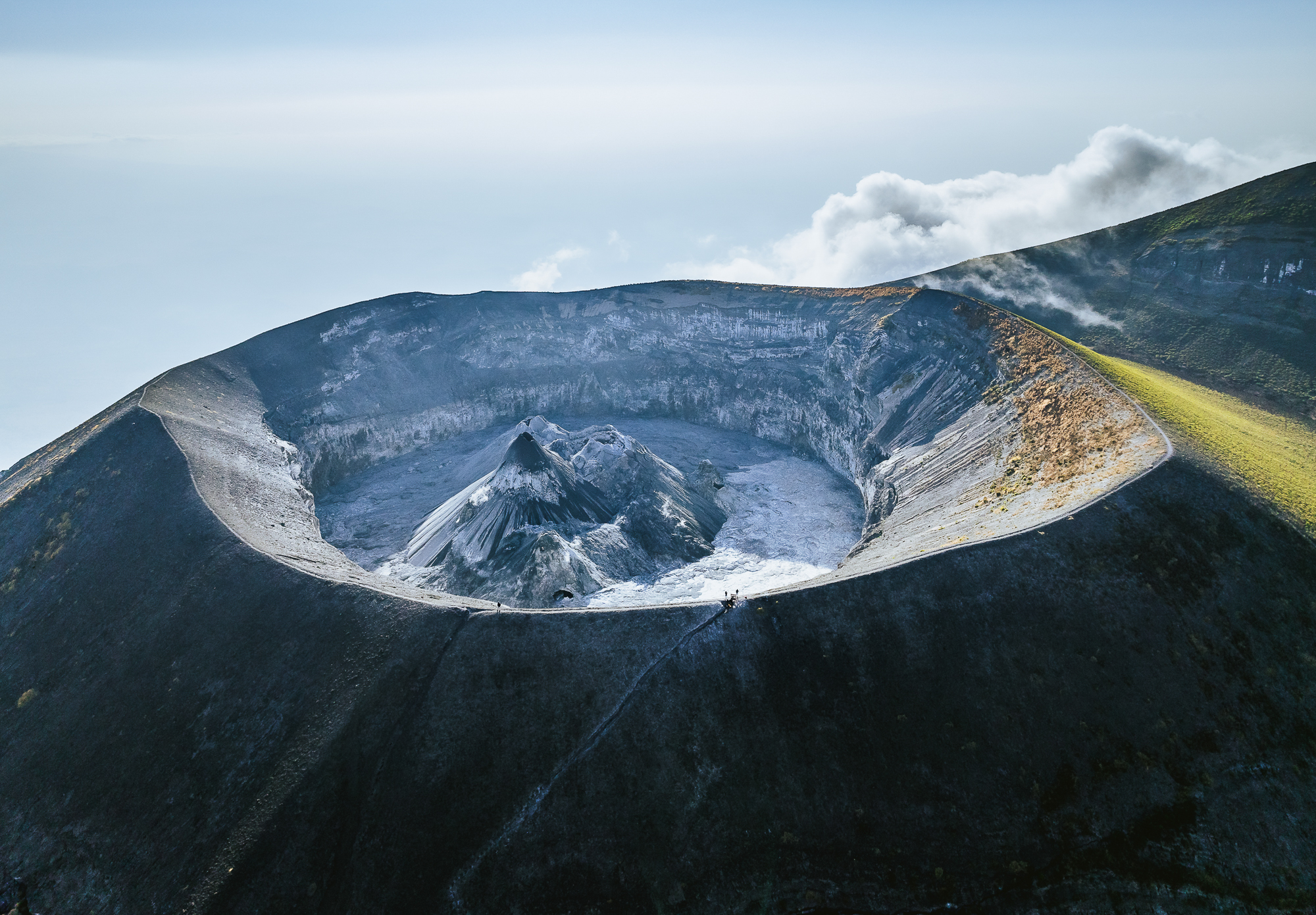
<h2>About Mount Meru</h2> <p>Mount Meru is Tanzania's second-highest peak at 4,566 meters (14,980 feet), located in Arusha National Park just 70km west of Kilimanjaro. This active stratovolcano offers one of East Africa's most rewarding treks, combining stunning volcanic scenery with exceptional wildlife viewing opportunities.</p> <h2>Why Climb Mount Meru</h2> <p>Mount Meru is often called the "little brother" of Kilimanjaro, but it's a spectacular mountain in its own right. The trek passes through diverse ecosystems including montane forest (home to colobus monkeys, buffaloes, and giraffes), moorland, and alpine desert. The summit ridge walk along the crater rim is one of Africa's most dramatic — a knife-edge path with sheer drops into the volcanic crater below.</p> <p>Many climbers use Meru as acclimatization before attempting Kilimanjaro, but it deserves to be climbed for its own merits. The mountain sees far fewer trekkers than Kilimanjaro, offering a more intimate wilderness experience.</p> <h2>The Route</h2> <p>There is one main route up Mount Meru — the Momella Route. The trek typically takes 3-4 days:</p> <ul> <li><strong>Day 1:</strong> Momella Gate (1,500m) to Miriakamba Hut (2,514m) — through forest with wildlife</li> <li><strong>Day 2:</strong> Miriakamba Hut to Saddle Hut (3,566m) — through moorland with views of the crater</li> <li><strong>Day 3:</strong> Summit night — Saddle Hut to Socialist Peak (4,566m) and descent to Miriakamba</li> <li><strong>Day 4:</strong> Descent to Momella Gate</li> </ul> <h2>Best Time to Climb</h2> <p>The best months are June-October (dry season) and December-February (short dry season). The mountain receives more rainfall than Kilimanjaro due to its location, so waterproof gear is essential year-round.</p> <h3>Wildlife on Mount Meru</h3> <p>Unlike Kilimanjaro, Mount Meru treks include an armed ranger due to wildlife in the lower forests. You may encounter buffalo, elephants, giraffes, colobus monkeys, and various antelope species on the first day of trekking.</p>
Best Time to Climb
Ol Doinyo Lengai
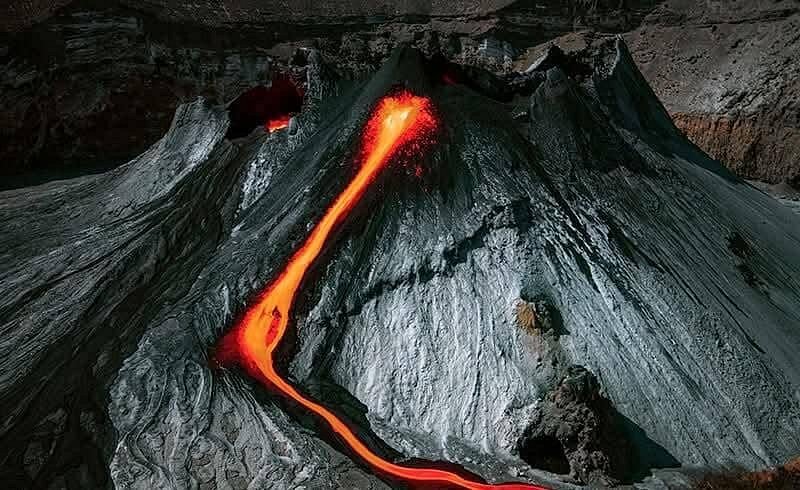
<h2>About Ol Doinyo Lengai</h2> <p>Ol Doinyo Lengai (2,962m / 9,718ft) is the only active volcano in the East African Rift system and the world's only volcano that erupts natrocarbonatite lava — a uniqueite calcium-rich lava that appears black during eruption but turns white when exposed to moisture. The name means "Mountain of God" in the Maasai language.</p> <h2>Why Climb Ol Doinyo Lengai</h2> <p>This is one of Africa's most unique and challenging treks. The mountain rises dramatically from the Rift Valley floor near Lake Natron, offering otherworldly volcanic landscapes unlike anywhere else on Earth. The summit crater contains active vents, bizarre lava formations, and the chance to witness volcanic activity up close. The surrounding landscape — with flamingo-filled Lake Natron, the Rift Valley escarpment, and views to Kilimanjaro — is extraordinary.</p> <h2>The Climb</h2> <p>The trek is typically done as an overnight climb:</p> <ul> <li><strong>Start:</strong> Midnight from the base (around 1,000m)</li> <li><strong>Duration:</strong> 5-7 hours up, 3-4 hours down</li> <li><strong>Terrain:</strong> Extremely steep volcanic ash and scree — very demanding</li> <li><strong>Summit:</strong> Arrive at sunrise for spectacular views into the active crater</li> </ul> <p>The climb gains nearly 2,000 meters in elevation over a short distance, making it physically very demanding despite the relatively low altitude. The loose volcanic ash makes every step challenging.</p> <h2>Best Time to Climb</h2> <p>June to September offers the driest and coolest conditions. Avoid the rainy seasons (March-May, November) when the ash becomes dangerously slippery. Night climbs are standard to avoid the extreme daytime heat.</p> <h3>Cultural Significance</h3> <p>Ol Doinyo Lengai is sacred to the Maasai people, who believe it is the home of their god Engai. The mountain plays a central role in Maasai spiritual life and ceremonies.</p>
Best Time to Climb