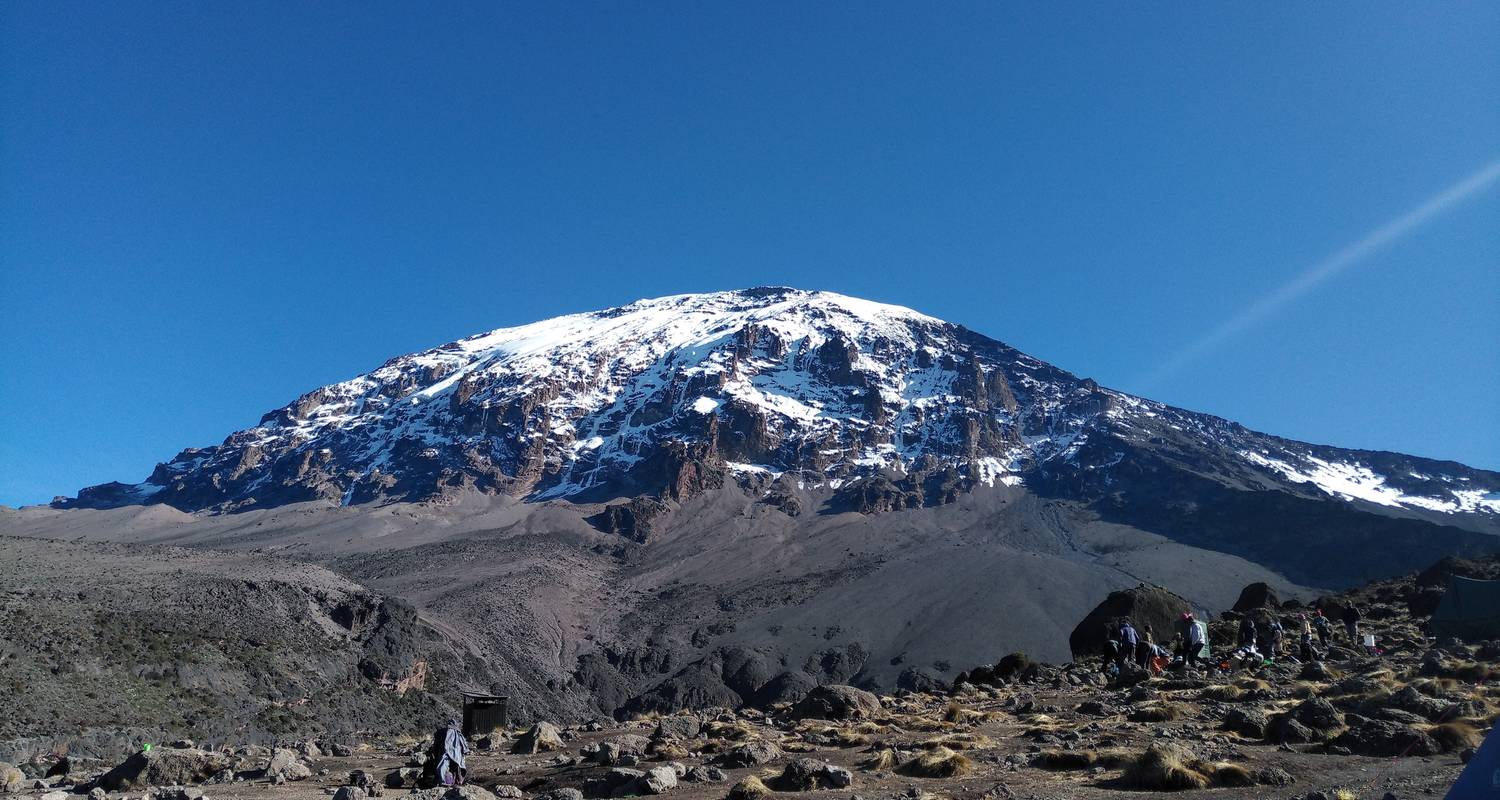
Standing at 5,895 meters, Mount Kilimanjaro is Africa's highest peak and the tallest free-standing mountain in the world. Every year, thousands of trekkers set out to climb Mount Kilimanjaro, drawn by the chance to reach Uhuru Peak without any technical climbing skills. This guide walks you through everything you need to know, from choosing a route to packing the right gear, so your first attempt to climb Mount Kilimanjaro becomes an unforgettable success.

Why Climb Mount Kilimanjaro?
Kilimanjaro is one of the Seven Summits, yet it remains accessible to reasonably fit hikers with no mountaineering experience. Unlike Everest or Denali, you do not need ropes, crampons, or technical training to climb Mount Kilimanjaro. What you do need is time, the right route, and a body that has been prepared to handle high altitude. For many travelers, summiting Kilimanjaro is the adventure of a lifetime, and it pairs naturally with a classic Tanzania safari afterward.
Choosing the Right Route to Climb Mount Kilimanjaro
Seven official routes lead to the summit, each with a different balance of scenery, crowd levels, and acclimatization time. The Machame Route is the most popular choice for travelers who want to climb Mount Kilimanjaro on a proven path with strong summit success rates. The Lemosho Route offers a quieter, more scenic approach through untouched forest. For example, the Marangu Route is the only path with hut accommodation instead of tents, while the Rongai Route approaches from the drier northern side. For a full breakdown of each path, see our Kilimanjaro routes guide or explore the Machame Route in detail.
How Many Days Do You Need?
Route length directly affects your chances of success. A 6-day itinerary is the minimum we recommend. A 7 or 8-day itinerary gives your body more time to acclimatize and significantly improves your summit success rate. Rushing the mountain is, therefore, the single biggest mistake first-time climbers make.
Best Time to Climb Mount Kilimanjaro
Tanzania has two dry seasons that offer the best conditions to climb Mount Kilimanjaro: late June through October, and January through mid-March. The January-to-March window is colder at altitude but generally quieter. The June-to-October season, however, lines up with the classic safari season and clearer summit views. Avoid the long rains in April and May, when trails become slippery and visibility drops.
Physical Preparation and Training
You do not need to be an athlete, but you do need to prepare. In the months before your trek, build cardiovascular endurance through hiking, stair climbing, and long walks with a loaded daypack. Strength training for your legs and core will help on the steep summit night. Additionally, back-to-back long walks on consecutive days mimic the fatigue of a multi-day trek better than any single workout.
Altitude Sickness and Acclimatization
Altitude, not fitness, is what stops most climbers from reaching the summit. Above 3,000 meters, the air holds less oxygen, and your body needs time to adjust. Walking slowly, or "pole pole" as Tanzanian guides say, is the golden rule. Drink at least 3-4 liters of water daily. Tell your guide immediately if you develop a headache, nausea, or dizziness. Choosing a longer route with proper acclimatization days is the most effective way to protect your chances of summiting safely.
What to Pack to Climb Mount Kilimanjaro
Layering is everything on Kilimanjaro, where you will pass through five distinct climate zones in a single trek, from tropical rainforest to arctic summit conditions. Essentials include a warm sleeping bag rated to at least -15C, waterproof hiking boots already broken in, thermal base layers, an insulated down jacket, gloves, and a headlamp for the midnight summit push. For a complete checklist, our Tanzania safari packing list covers the essentials you will also need before and after your climb.
How Much Does It Cost to Climb Mount Kilimanjaro?
Prices vary widely depending on route length, group size, and operator quality. Budget operators may advertise low prices. However, these often cut corners on porter welfare, food quality, and safety equipment. A fair, well-supported climb typically costs more. That cost reflects park fees, professional guides, quality meals, and proper safety gear, including portable oxygen and pulse oximeters. For a detailed cost breakdown across Tanzania adventures, see our safari cost and pricing guide.
Choosing a Trekking Company
Your guide company is, in many ways, more important than the route itself. Look for operators who pay porters fairly, carry proper safety equipment, and build acclimatization days into every itinerary. At Mshele Tanzania Adventures, our Kilimanjaro treks are designed around your fitness level and schedule, with experienced mountain guides who know every route in detail. You can browse our Kilimanjaro trekking packages or start planning your custom climb today.
Frequently Asked Questions
Do I need climbing experience to climb Mount Kilimanjaro?
No technical climbing experience is required. Kilimanjaro is a trek, not a technical climb, so no ropes or specialized mountaineering skills are needed.
What is the summit success rate?
Success rates vary from around 65% on rushed 5-day routes to over 90% on 8-day itineraries. Physical preparation and steady pacing both play a major role in whether you reach Uhuru Peak.
Can beginners climb Mount Kilimanjaro?
Yes. Most successful summiteers are ordinary, moderately fit travelers rather than professional athletes. With the right preparation, a good route, and a strong support team, first-time trekkers climb Mount Kilimanjaro successfully every week.
Ready to take on Africa's highest peak? Whether you choose the classic Machame Route or a quieter path less traveled, the key to a successful climb is preparation, patience, and the right team behind you. Get in touch with Mshele Tanzania Adventures to start planning your Kilimanjaro adventure.