The Ultimate Tanzania Safari Packing List
Packing for a safari is different from any other holiday. The right clothing and gear can make your experience significantly more comfortable and enjoyable. Here's our expert guide based on years of guiding safaris.
Clothing Essentials
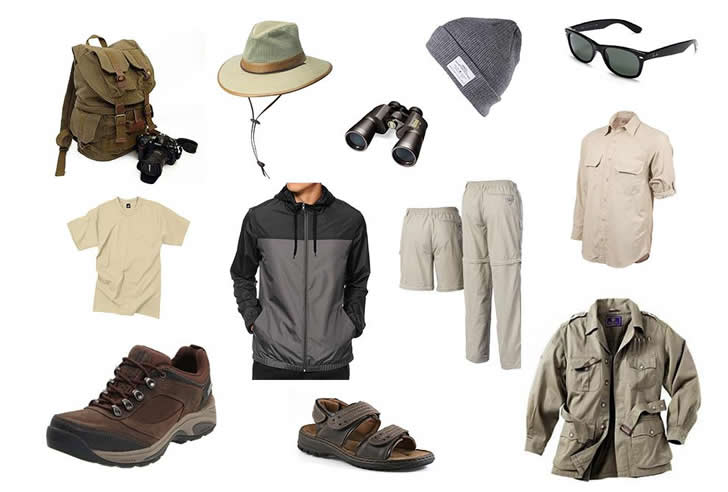
Colors: Neutral tones — khaki, olive, tan, brown, grey. Avoid bright colors (disturb wildlife), black/dark navy (attract tsetse flies), and camouflage (restricted in some areas).
Layers: Mornings and evenings are cool (especially at Ngorongoro rim). Pack a warm fleece or softshell jacket, plus a lightweight rain jacket.
Must-have items: Long-sleeved shirts (sun/insect protection), convertible trousers, comfortable walking shoes, wide-brimmed hat, buff/scarf for dust, swimsuit (many lodges have pools).
Essential Gear
Binoculars: The single most important item after your camera. 8x42 or 10x42 are ideal for safari. Don't rely on your phone camera for distant wildlife.
Camera: A camera with at least 200mm zoom. Bring extra batteries and memory cards — you'll take thousands of photos. A beanbag helps stabilize shots from the vehicle.
Power: Universal adapter, portable power bank, car charger. Lodges may have limited charging points.
Health & Comfort
High-SPF sunscreen, insect repellent (DEET-based), prescription medications, basic first aid kit, hand sanitizer, wet wipes, lip balm with SPF.
Often Forgotten Items
Headlamp/torch (camps are dark at night), ziplock bags (dust protection for electronics), small daypack, binocular harness, earplugs (wildlife is noisy at night!), and a good book for rest time.
What NOT to Pack
Excessive luggage (bush planes have 15kg limits), valuable jewelry, strong perfumes, bright white clothing, high heels, or drone cameras (banned in national parks).