About Ngorongoro Conservation Area
Ngorongoro is unlike anywhere else on Tanzania's safari circuit because it is not a national park in the usual sense -- it is a multiple land-use area where the Maasai continue to live and graze cattle alongside protected wildlife. At its center sits the Ngorongoro Crater, the world's largest intact, unflooded volcanic caldera, but the wider Conservation Area stretches far beyond it across highland forest, open plains, and the archaeological site of Olduvai Gorge.
Beyond the Crater
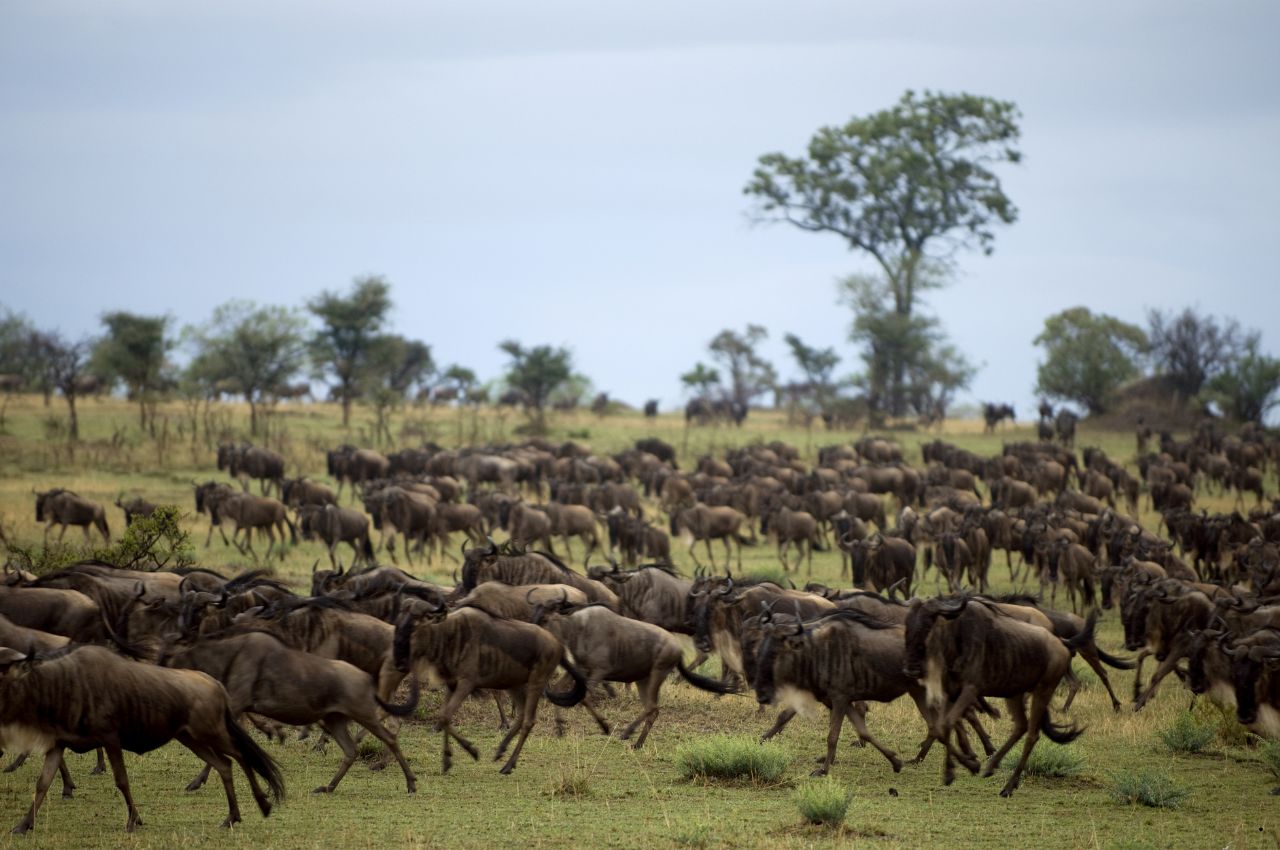
Most visitors come for a single day inside the crater itself, but the Conservation Area rewards more time. Olduvai Gorge -- the "Cradle of Mankind" -- is where Mary and Louis Leakey uncovered some of the earliest evidence of human evolution, and its small museum is a worthwhile stop en route to the Serengeti. Empakaai Crater, a smaller and far less visited caldera, holds a deep soda lake often covered in flamingos. The southern Ndutu plains, part of the same ecosystem, are where the wildebeest migration calves each year.
Best Time to Visit
The crater floor holds resident wildlife year-round, so there is no bad time to visit -- but the short dry season from late June to October offers the clearest roads and easiest access, while January to March coincides with the migration's calving season on the nearby Ndutu plains. Mornings are cool at this altitude (around 2,200 meters on the rim), so pack a layer even in the dry season.
Getting to Ngorongoro Conservation Area
Ngorongoro sits between Lake Manyara and the Serengeti on the Northern Circuit, roughly a three-hour drive from Arusha. We typically pair one full day of crater game drives with an overnight stay on the rim, then continue on toward the Serengeti.
Cultural Encounters
Because Ngorongoro remains home to Maasai communities who continue traditional grazing within the Conservation Area, many itineraries include a visit to a Maasai boma. It is a rare opportunity to learn directly from a pastoralist culture that has coexisted with this landscape, and its wildlife, for generations, and adds a human dimension that a game drive alone cannot.



 7 Days / 6 Nights
From $3,100