About Serengeti National Park
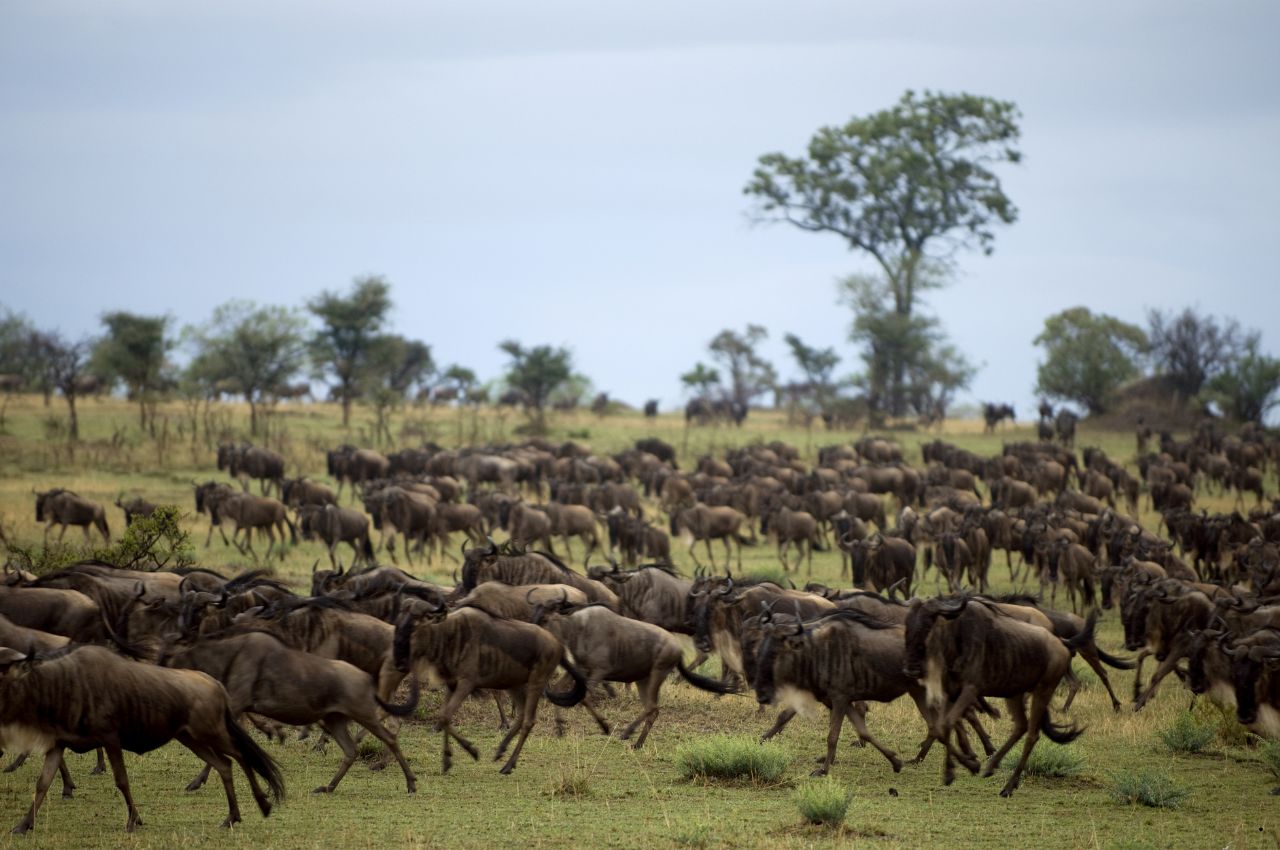
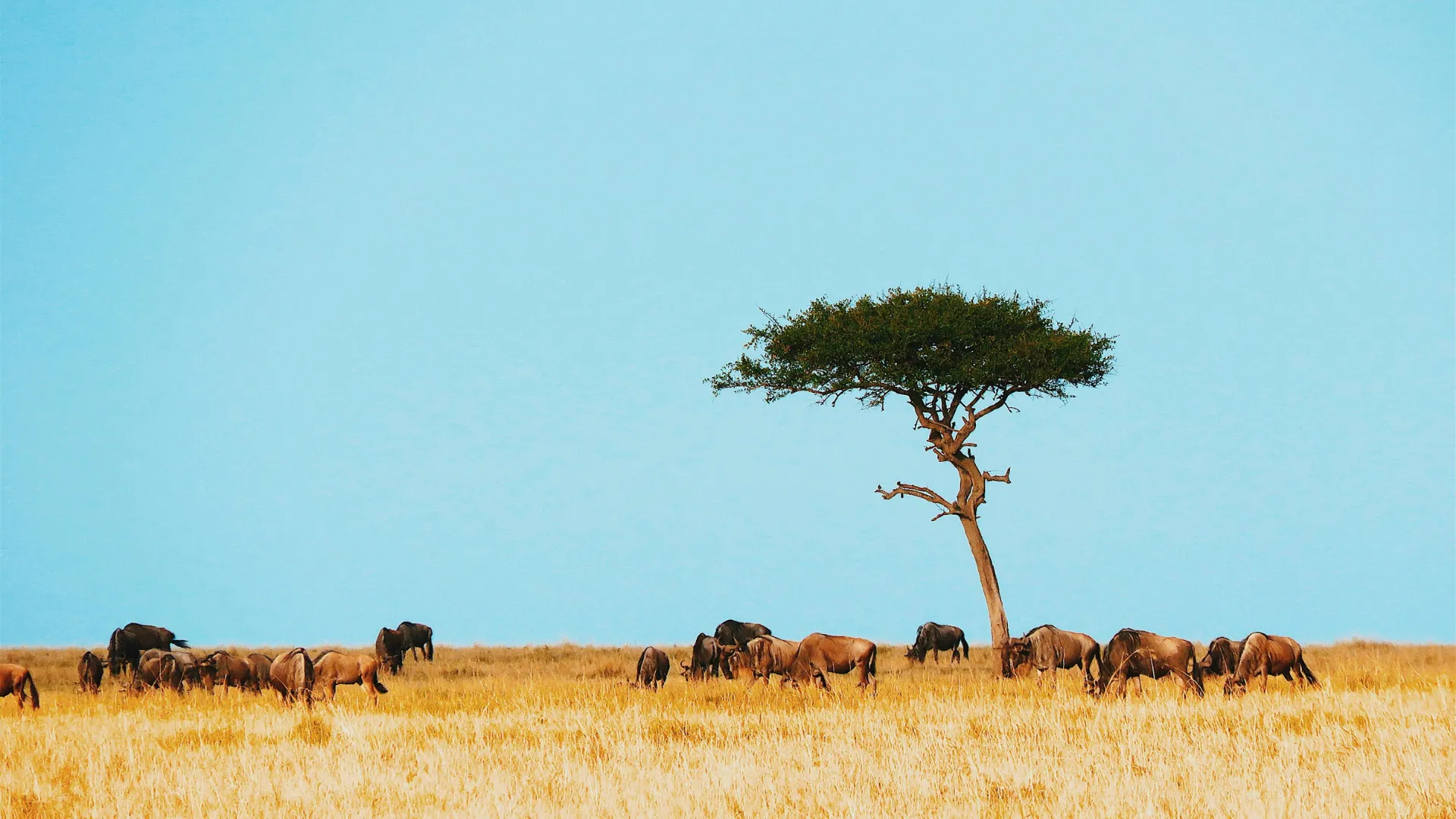
The Serengeti takes its name from the Maasai word "siringet," meaning "endless plains" -- and at 14,750 square kilometers, it lives up to it. This is the stage for the Great Wildebeest Migration, where over 1.5 million wildebeest and hundreds of thousands of zebra move in a continuous, year-round circuit chasing fresh grass and rainfall. It is also home to Africa's highest density of lions and one of the last strongholds of free-roaming cheetah.
What Makes Serengeti Different
The park is really several ecosystems in one. Seronera, in the center, holds resident wildlife all year and is the classic choice for a first safari. The Western Corridor sees the migration cross the Grumeti River, usually between May and July. The far north around Kogatende is where the dramatic Mara River crossings happen, typically July through October. The southern short-grass plains near Ndutu -- technically inside the Ngorongoro Conservation Area but part of the same ecosystem -- are where the migration calves each February, drawing enormous concentrations of predators.
Best Time to Visit
There is no single "best" season -- it depends on what you want to see. For river crossings, aim for July to October. For the calving season and newborn wildebeest surrounded by hunting predators, January and February are unmatched. The green season from March to May brings dramatically lower prices, fewer vehicles at sightings, and lush scenery, at the cost of some road conditions and daily afternoon showers.
Getting to Serengeti National Park
Most visitors fly into one of the park's several airstrips from Arusha or Zanzibar, or drive in as part of a Northern Circuit itinerary via Ngorongoro. We build each Serengeti itinerary around which part of the migration you want to witness, then handle every transfer, park permit, and lodge booking around that.
Where to Stay
Accommodation ranges from classic tented camps to luxury lodges, positioned differently depending on which part of the migration you are chasing that month. Camps near Kogatende only make sense during river-crossing season, while Seronera-based lodges work well at any time of year. We match your camp locations to the migration's position for your actual travel dates, rather than following a fixed itinerary regardless of where the herds are.



 7 Days / 6 Nights
From $3,100