About Mount Kilimanjaro National Park
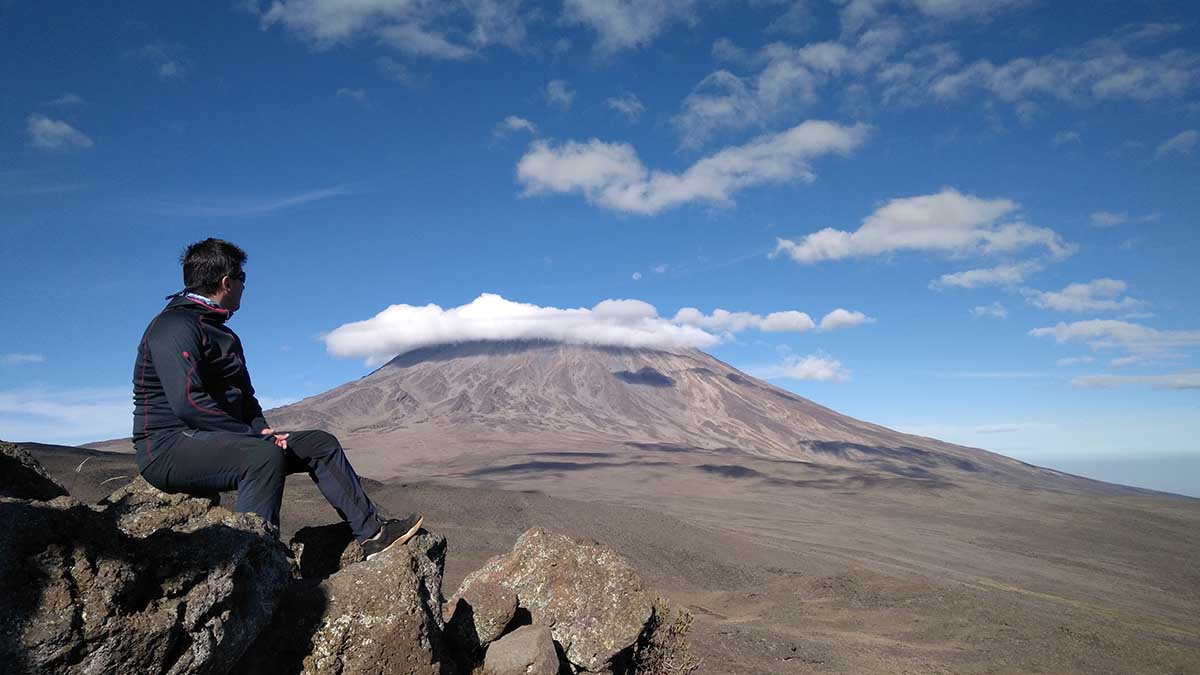
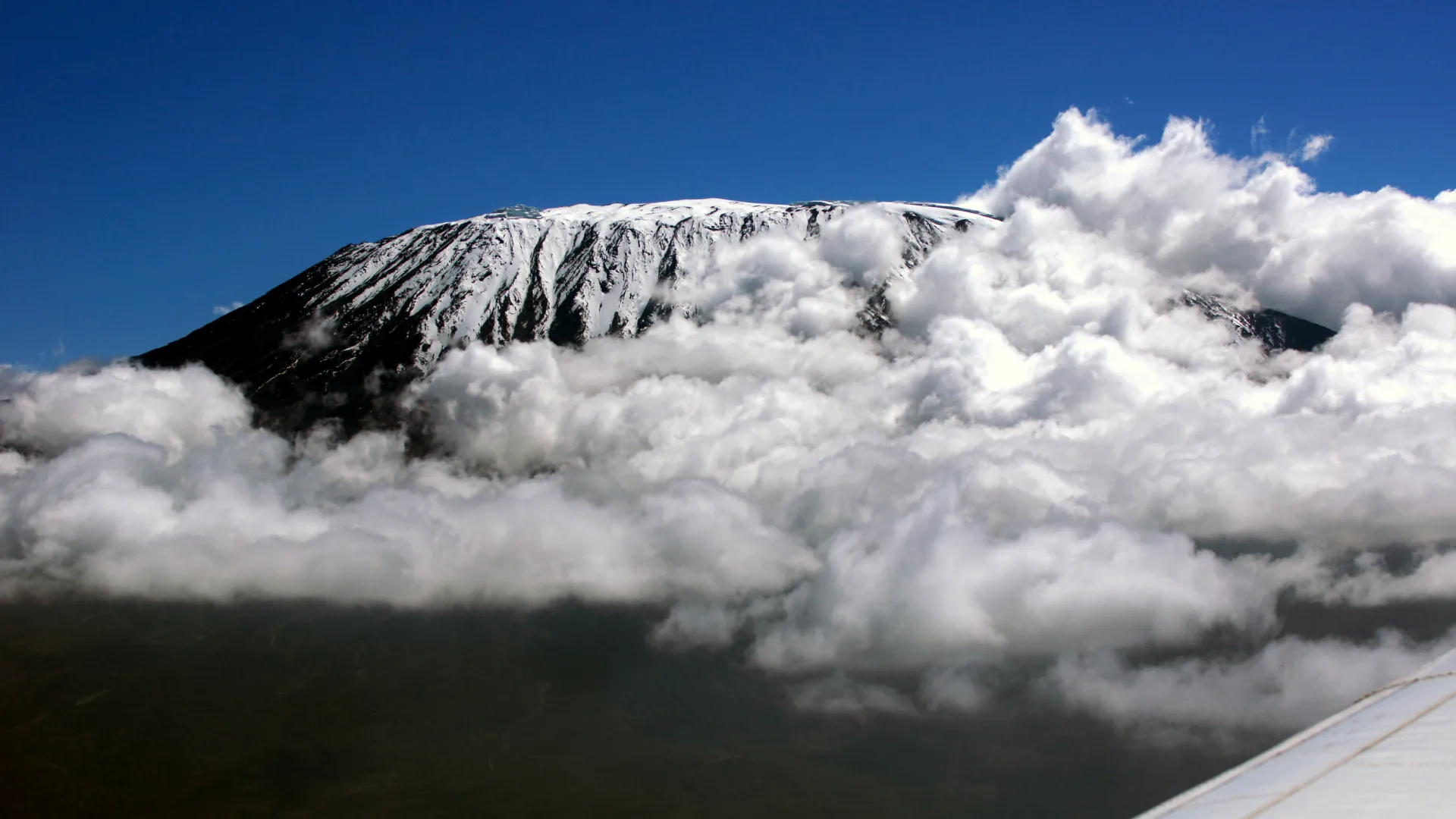
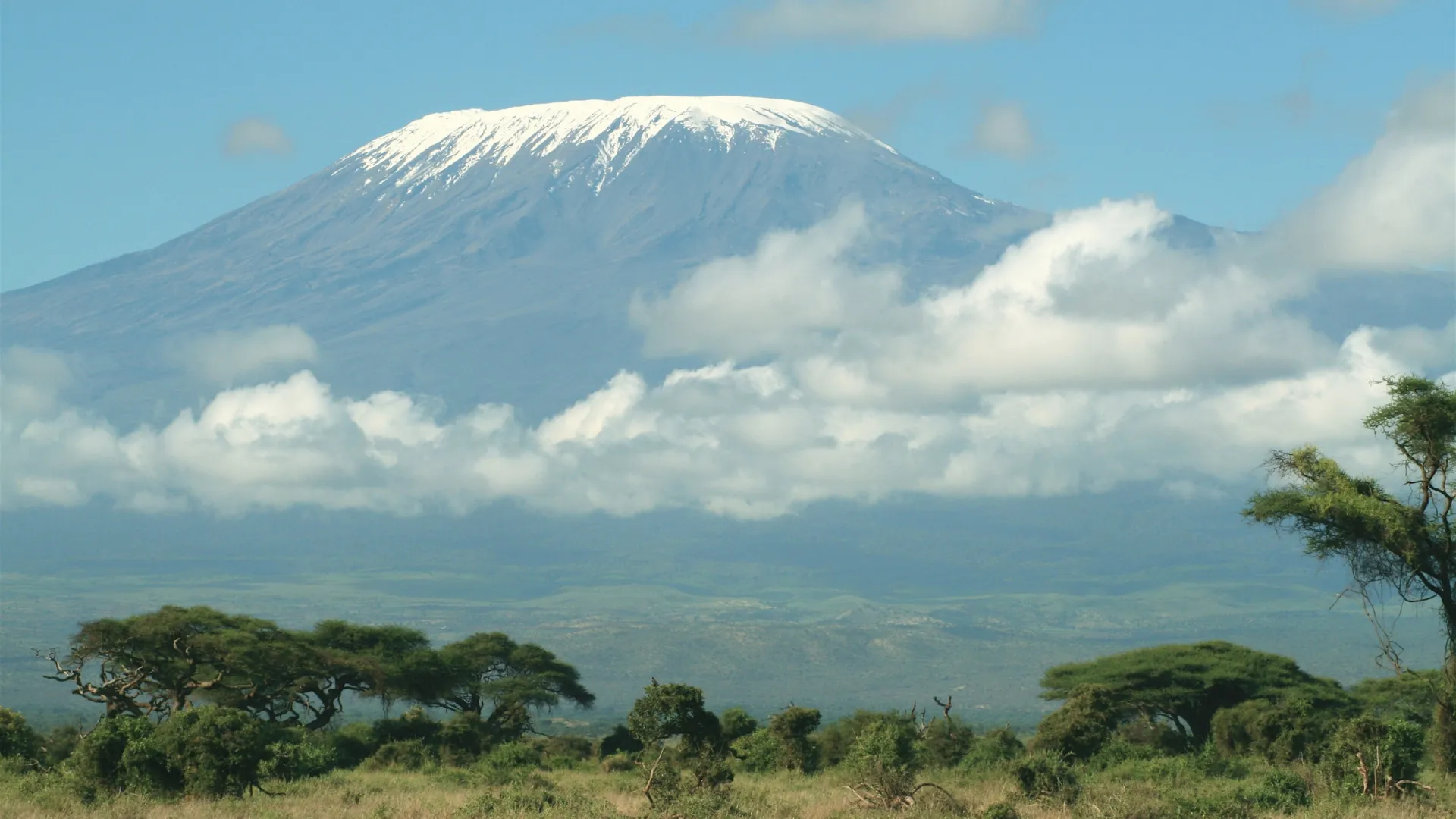
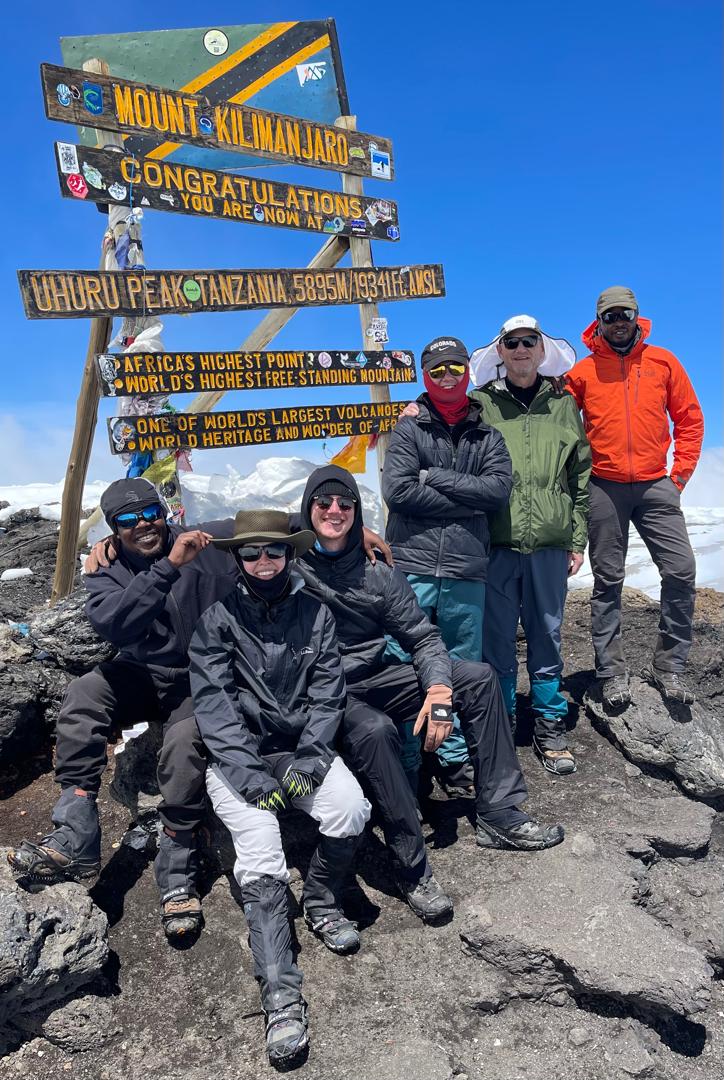
At 5,895 meters, Kilimanjaro is both the highest point in Africa and the tallest free-standing mountain in the world -- meaning it rises on its own rather than as part of a range. A climb here takes you through five distinct climate zones in a matter of days, from tropical rainforest at the base, through moorland and alpine desert, to arctic conditions and glacial ice at the summit, despite sitting just south of the equator.
The Mountain and Its Routes
Kilimanjaro is actually three volcanic cones -- Kibo, Mawenzi, and Shira -- with Kibo's Uhuru Peak as the highest point. Seven official routes climb the mountain, each offering a different balance of scenery, traffic, and acclimatization time; Machame and Lemosho are the most popular for their scenery and success rates, while Marangu is the only route with hut accommodation instead of tents. No technical climbing experience or equipment is required, but proper acclimatization is essential.
Best Time to Climb
The two dry windows -- late June to October, and January to mid-March -- offer the clearest skies and most stable conditions. Longer routes of seven or eight days give the body more time to adjust to altitude and meaningfully improve summit success rates over rushed five-day itineraries.
Getting to Mount Kilimanjaro National Park
The mountain rises just outside Moshi, roughly an hour from Kilimanjaro International Airport. For a full breakdown of routes, packing, and preparation, see our complete Kilimanjaro climbing guide.
Physical Preparation
No technical climbing skill is required to reach the summit, but proper acclimatization and reasonable fitness make a significant difference to your chances of success. We generally recommend at least a seven-day itinerary on any route, giving your body the time it genuinely needs to adjust to altitude safely rather than rushing the ascent.



 9 Days / 8 Nights
From $3,050